Gambling Influencers: Are You Seeing the Whole Story?
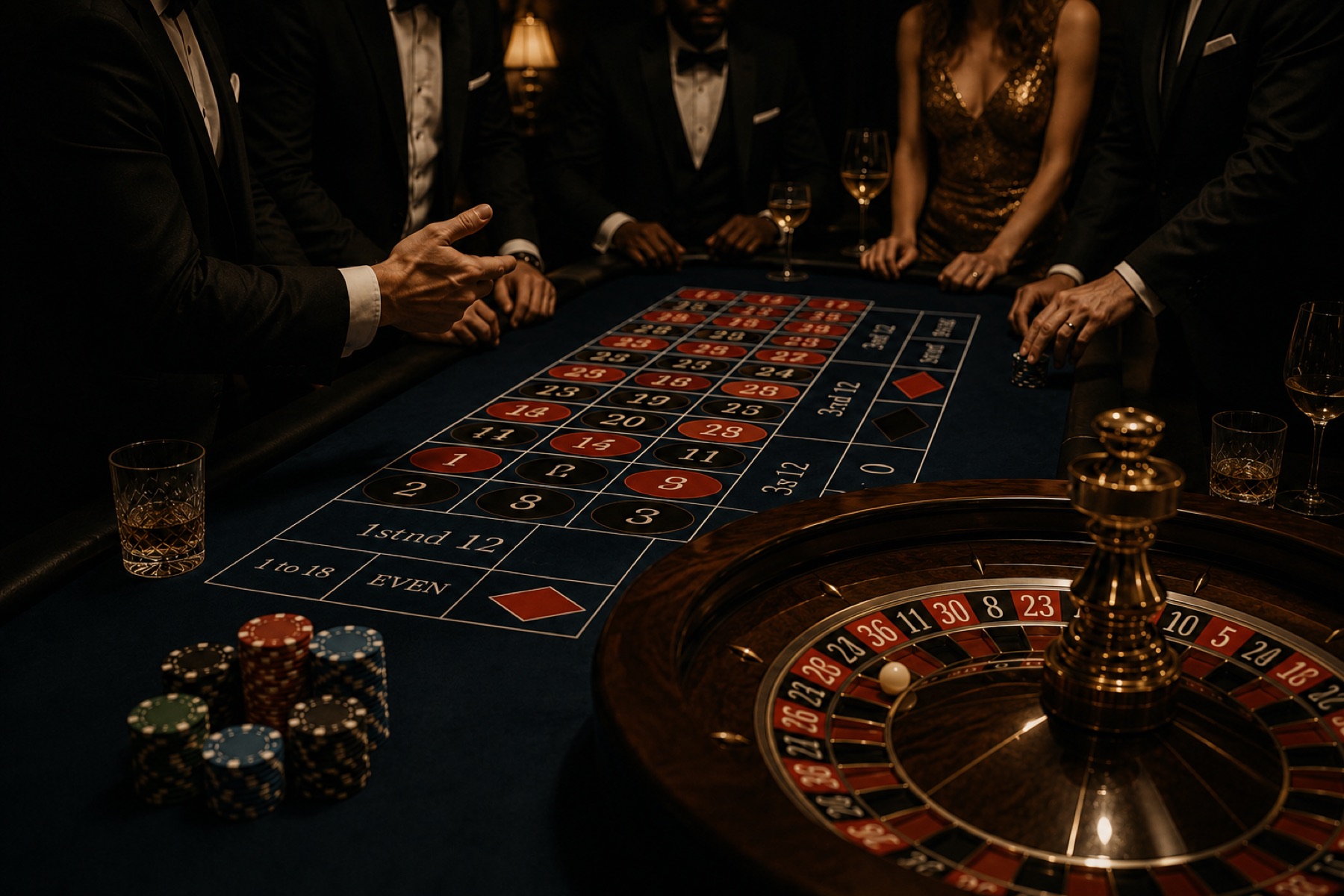
Scroll through TikTok, Instagram, Facebook, or YouTube and it probably won't take long before you come across gambling influencers and the content they post.
Huge bets. Massive jackpots. Sports betting slips. Slot machines lighting up. Someone screaming because they just hit a big win.
It can be entertaining. It can be exciting.
And for someone struggling with gambling addiction, it can also be a powerful trigger.
If gambling content is creating cravings or the urge to bet, read Gambling Urges: Why They Happen and 10 Ways to Beat Them Without Gambling.
What You See Isn't Always the Whole Story
Social media is built around moments that grab our attention.
A video showing someone losing money for hours probably isn't going to get the same attention as someone hitting a massive jackpot.
So what do we see?
The win. The celebration. The money on the screen. The excitement.
What we may not see is everything that happened before or after that moment.
How much money was wagered before the win? How much was lost? Was the gambling part of a sponsorship or promotional arrangement? Was the person gambling with the same financial risk that an average viewer would face?
And most importantly: what happens when someone watching that video believes they can recreate what they just saw?
The Highlight Reel Can Become a Trigger
If you've struggled with gambling, think about what happens inside your mind when you watch someone hit a huge jackpot.
You may immediately remember how gambling used to make you feel. The adrenaline. The anticipation. The excitement of not knowing what was going to happen next.
And then a dangerous thought can appear:
"Maybe I could win like that."
That's where a 30-second video can become much more than entertainment.
It can become a trigger.
The person on your screen may move on to their next video. You're the one who has to live with what happens next.
Your Brain May Remember the Win and Forget the Pain
One of the dangerous things about gambling addiction is how easily our minds can romanticize gambling.
We remember the jackpots. We remember the winning nights. We remember walking away with money in our pockets.
But sometimes we conveniently forget everything gambling took from us.
The losses. The lies. The debt. The arguments. The anxiety. The sleepless nights. The promises that we would stop. The time we lost with the people we love.
A gambling video can bring back the excitement without bringing back all the pain that came with it.
That's why recognizing your triggers matters. To better understand why gambling can create such a powerful cycle, read Why Can't I Stop Gambling? Understanding the Gambling Cycle and How to Break It.
This Isn't About Attacking Gambling Influencers
I want to make something very clear.
This isn't an attack on gambling influencers.
People create gambling content for many different reasons. For some, it's entertainment. For others, it's their business. Some may have sponsorships or partnerships. Others may simply enjoy gambling and sharing it with their audience.
My concern isn't telling them what they should or shouldn't do.
My concern is you.
If you're struggling with gambling addiction or trying to rebuild your life after gambling, you have to ask yourself a different question:
"What does watching this content do to me?"
That's the question that matters.
Something can be entertainment for one person and a dangerous trigger for another. Knowing the difference could protect your recovery.
You May Be Comparing Your Real Life to Someone Else's Highlight Reel
This is something we need to understand about social media in general.
We rarely see someone's entire life. We see the moments they choose to show us.
When it comes to gambling, that distinction can be especially important.
You might see someone wagering thousands of dollars and start thinking:
"They keep winning."
"Maybe there's a system I'm missing."
"Maybe I could do this too."
But you don't necessarily know the entire financial picture behind what you're watching.
And even if everything you see is completely genuine, their financial situation isn't yours. Their risk isn't your risk. Their consequences aren't your consequences. And their win isn't your win.
The Casino Doesn't Care Who Inspired You to Walk Through the Door
Think about this for a moment.
You watch a gambling video. You get excited. You start thinking about gambling. Eventually you decide to place a bet.
The influencer isn't standing beside you when the losses start.
They aren't there when you're chasing your money. They aren't there when you empty your bank account. They aren't there when you're trying to explain another financial loss to your spouse.
They aren't there when you're lying awake at 2:00 in the morning wondering:
"How did I do this again?"
That's why protecting yourself has to become more important than watching something that triggers you.
Protect Your Recovery
If gambling content creates an urge to gamble, you don't have to prove that you're strong enough to keep watching it.
- Turn it off.
- Unfollow the account.
- Mute gambling-related content.
- Tell social media platforms you're not interested in those videos.
- Don't click gambling advertisements.
- Don't spend your evenings watching other people gamble if you know where that can lead you.
There is no trophy for putting yourself in front of unnecessary temptation.
Recovery isn't about proving you can stand next to the fire without getting burned. Sometimes recovery means walking away from the fire altogether.
If you're ready to begin making changes, start with our guide on How to Stop Gambling: 10 Practical Steps to Break the Cycle.
Ask Yourself One Question
The next time gambling content appears on your phone, ask yourself:
"Is watching this helping my recovery or hurting it?"
Be honest with yourself.
- If your heart starts racing...
- If you start thinking about your old gambling days...
- If you start wondering what games are available...
- If you start calculating how much money you could gamble...
- If you suddenly think you can control it this time...
That's not just entertainment anymore.
That's a warning sign.
And recognizing that warning sign gives you the opportunity to do something different.
- Put the phone down.
- Take a walk.
- Call someone in your support system.
- Go to a meeting.
- Pray.
- Exercise.
- Spend time with your family.
Do anything that creates distance between the trigger and the next bet.
Your Recovery Is Worth More Than Someone Else's Jackpot
There will always be another gambling video. Another jackpot. Another winning bet. Another person celebrating on your screen.
You can't control everything that appears on social media. But you can control what you continue watching.
And if you're recovering from gambling addiction, protecting your mind is part of protecting your future.
Remember this:
You may be watching someone else's highlight reel while risking your real life.
Don't trade the life you're rebuilding for the temporary excitement of watching someone else gamble.
Your family is worth more. Your finances are worth more. Your peace is worth more. Your recovery is worth more.
Need Help With Gambling?
If gambling has taken control of your life — or you're struggling with urges and triggers — you don't have to figure everything out by yourself.
At Knockout Gambling Addiction Coach, my goal is to help people understand their gambling, recognize their triggers, build accountability, and begin creating a life that doesn't revolve around the next bet. Explore how our coaching works or view the recovery rounds to see what a structured plan can look like.
Schedule a free consultation with Knockout Gambling Addiction Coach and let's talk about your next step toward recovery.