How to Stop Chasing Gambling Losses Before You Lose More
One of the most dangerous thoughts in gambling is also one of the simplest:
"I just need to win my money back."
Maybe you lost $200. Then $500. Then $1,000.
Instead of walking away, something changes. You're no longer gambling for entertainment. You're gambling because you feel like you have to recover what you lost.
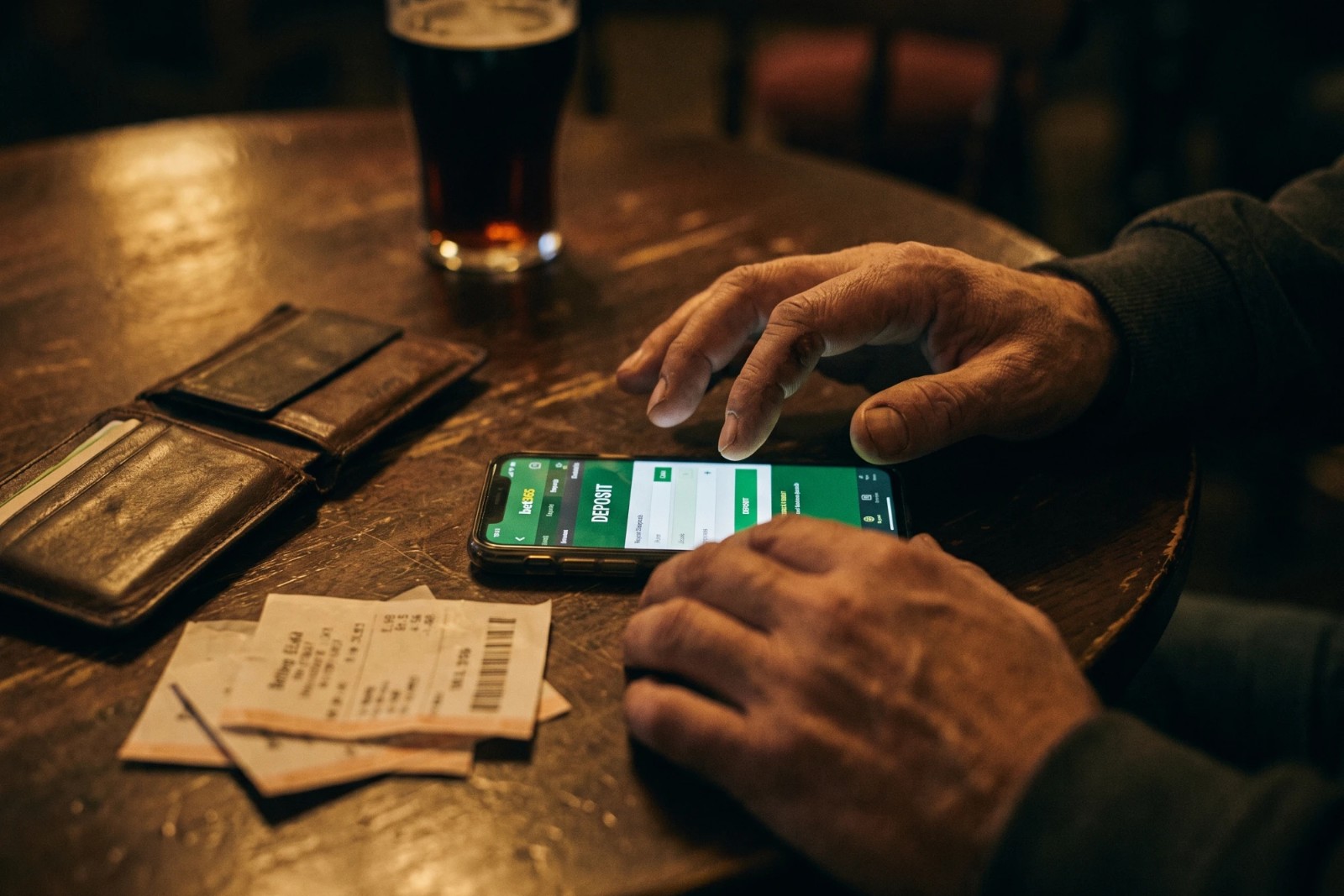
You increase your bets. You make another deposit. You stay up later. You convince yourself that one good win can put everything back where it was.
But instead of solving the problem, chasing losses often makes it much worse.
If you've been caught in this cycle, understanding what's happening — and knowing what to do next — can be an important step toward gambling recovery.
What Does Chasing Gambling Losses Mean?
Chasing losses means continuing to gamble, often with larger or riskier bets, in an attempt to recover money you've already lost.
It can sound like:
- "If I can just get back to even, I'll stop."
- "One more deposit and I'm done."
- "I can't quit now. I'm already down too much."
- "I'll win it back tomorrow."
The problem is that gambling doesn't know — or care — how much you've already lost. Every new bet puts additional money at risk.
Why Is It So Hard to Stop Chasing?
After a significant gambling loss, walking away can feel almost impossible.
You're not only thinking about money. You may be thinking about bills, debt, your family, what you're going to tell someone, or how you're going to explain where the money went.
Winning it back can begin to feel like the fastest way out.
But that's the trap.
The same activity that created the financial problem becomes the solution you're relying on to fix it.
And when the next bet loses, the pressure becomes even greater.
The "Get Back to Even" Trap
Getting back to even becomes a finish line that keeps moving.
Suppose you lose $500. You deposit another $500 trying to recover it. Now you're down $1,000.
Maybe you win $300 back. Instead of withdrawing it, you keep gambling because you're still down $700.
Eventually that money may disappear too.
The original goal was to recover $500. Now you're trying to recover $1,000 or more.
This is how chasing losses can turn one bad gambling session into a much larger financial crisis.
A Win Doesn't Necessarily End the Chase
This is something many people misunderstand.
You might believe: "If I could just hit one big win, I'd finally stop."
But think about what has happened after previous wins.
Did you really stop?
Or did winning make you believe another win was coming?
For someone struggling with compulsive gambling, a win can sometimes keep the cycle going just as effectively as a loss.
Lose — and you want your money back.
Win — and you want more.
Either outcome can lead to the next bet. If you want to understand more about why that loop is so hard to break, read Why Can't I Stop Gambling? Understanding the Gambling Cycle and How to Break It.
Accepting the Money Is Gone
This may be one of the hardest parts of gambling recovery.
The money you've already lost is gone.
That doesn't mean it wasn't important. It doesn't mean the loss doesn't hurt. And it doesn't mean there won't be financial consequences that need to be addressed.
It means you stop asking gambling to give the money back.
You cannot change the bet you made yesterday. But you can prevent yourself from placing the next bet today.
That decision can stop a $5,000 loss from becoming $10,000. It can stop $10,000 from becoming $25,000.
At some point, the bleeding has to stop.
What Should You Do When You Want to Chase a Loss?
When the urge hits, create distance between yourself and gambling.
Don't immediately make another deposit. Don't increase the bet. Don't borrow money to continue gambling.
Instead:
- Leave the gambling environment.
- Close the app or website.
- Contact someone you trust.
- Use gambling blocking tools.
- Self-exclude where available.
- Remove easy access to gambling funds.
- Give yourself time before making any financial decision.
The goal is to interrupt the automatic movement from loss → panic → another bet.
Even a small delay can give you time to make a different decision. For a fuller set of urge-management tactics, see How to Stop Gambling: 10 Practical Steps to Break the Cycle.
Stop Measuring Recovery by What You've Lost
It's easy to become obsessed with the number.
$5,000. $20,000. $50,000. $100,000. Or much more.
You may replay the losses constantly and think about everything you could have done with that money.
But recovery cannot be built around winning yesterday's money back.
Recovery is about protecting tomorrow.
The next paycheck. The next mortgage payment. The next savings deposit. The next opportunity to rebuild trust.
Your future doesn't have to be determined by the amount you've already lost.
Build a Recovery Plan Instead of a Betting Plan
When you're chasing losses, you're constantly developing another gambling plan:
- How much should I deposit?
- What should I bet?
- How much do I need to win?
- What game gives me the best chance?
Recovery requires replacing those questions with different ones:
- Who can I call when I want to gamble?
- How can I restrict access to money?
- What triggers my gambling?
- What will I do when the urge hits?
- Who will hold me accountable?
- What am I going to do today instead of gambling?
That's when you begin moving away from chasing money and toward rebuilding your life.
If you want to see what a structured plan looks like, explore how our coaching works or view the recovery rounds.
The Most Important Bet Is the One You Don't Make
You don't have to win your money back before you can stop.
You don't have to get even. You don't need one final gambling session.
You need to stop adding to the loss.
If you're struggling with chasing gambling losses and can't seem to break the cycle, you don't have to fight it alone.
I'm a Certified Gambling Addiction Coach, and I understand firsthand how destructive gambling can become and how difficult it can feel to walk away.
The money you've lost does not have to determine how much more you lose.
If you're ready to stop chasing and start rebuilding, schedule a free consultation with Knockout Gambling Addiction Coach today.